 Skip to main content
Texas summers are relentless. Dallas still chalked up 23 days at 100°F or hotter in 2024, after 55 such scorchers in 2023. Keeping cool is not cheap either. The average Texas home now spends about $170.63 on electricity each month.
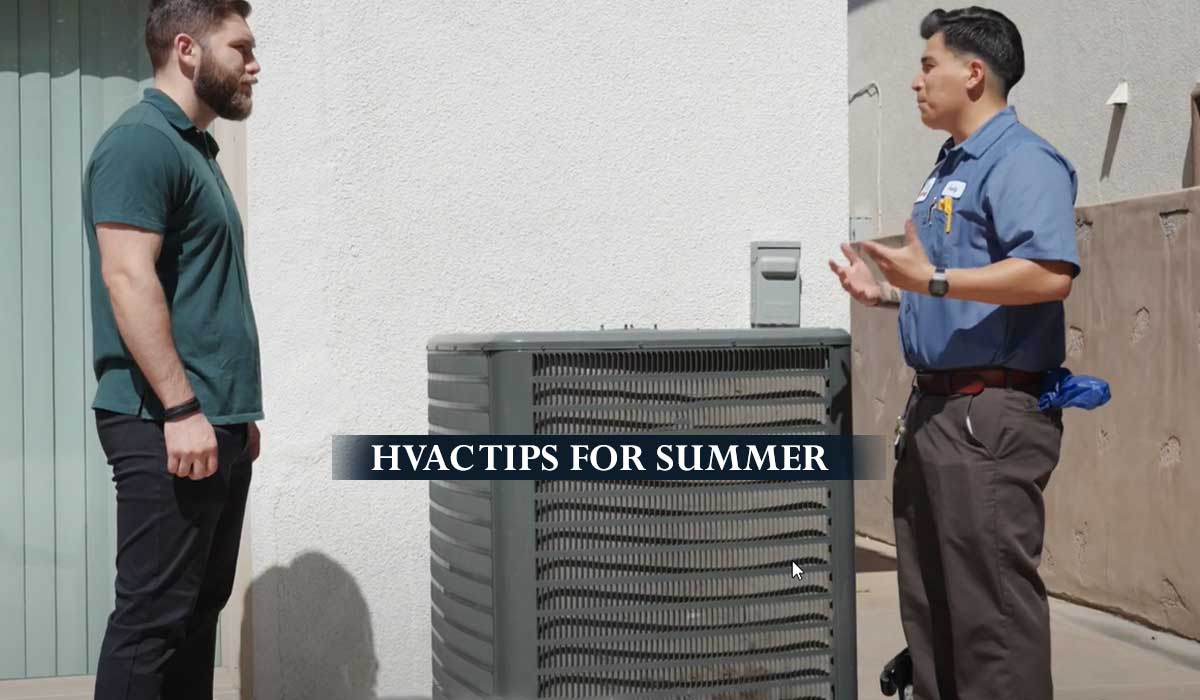
When temperatures and bills rise together, small upgrades make a big difference. The quick, research-backed HVAC tips can help your system beat the heat, shave energy waste, and stay reliable all season long. In this article, you will get to know the most effective HVAC tips for summer to keep your home cool.
| Key Takeaways
|
Here are some expert-suggested HVAC summer tips to keep your system efficient and your home cool. Consider the following expert tips:
1. Change Air Filters Monthly
Even the best air conditioning system struggles when dust blocks the return path. A clean filter keeps cool air moving, lowers humidity, and protects the evaporator coil. The U.S. Department of Energy (DOE) notes that replacing a dirty filter can cut an air conditioner’s energy use by 5% to 15%.
Quick Habit Checklist
- Add a 30-day reminder on your phone for standard 1-inch filters and 60 to 90 days for deep-pleat models.
- Keep a three-pack in the closet. So, you never delay a swap.
- If fur fills the return grille, check the filter every two weeks.
A fresh filter is the simplest way to boost indoor air quality, prevent warm air pockets, and help your AC unit run quietly and efficiently.
2. Keep the Outdoor Unit Clean and Clear
Your condenser’s only job is to dump hot air outdoors. Leaves, grass clippings, and fencing press against the cabinet and restrict airflow. DOE maintenance guidance recommends trimming plants back at least two feet and keeping coils debris-free for steady, energy-efficient operation.
Five-minute coil-wash plan
- Cut the power at the disconnect switch.
- Lift the top if possible and pull leaves and twigs by hand.
- Hose the fins from the inside out, low pressure only.
- Straighten bent fins with a fin comb to restore airflow.
- Restore clearance under the pad.
A clear condenser means shorter run-times, lower compressor temperatures, and fewer mid-summer breakdowns.
3. Optimize Thermostat Settings
Small adjustments can deliver big energy savings. The DOE confirms that raising the set-point 7° to 10 °F for eight hours can save up to 10% on cooling costs.
Smart vs. programmable models
- Programmable models follow a fixed schedule. These are perfect if your daily routine rarely changes.
- Smart thermostats add learning capability, weather data, and GPS-based geofencing.
For Texas heat, keep the thermostat at 75 to 78°F when home, then bump it 4°F higher when you leave. Use the “circulate” fan option for five minutes every hour to keep air circulation even without extra cooling. Thus, your system will run fewer, longer cycles, improving dehumidification and extending equipment life.
4. Maximize Air Circulation with Ceiling Fans
Fans don’t cool the room, they cool people. According to DOE guidance, a ceiling fan lets you raise the thermostat by about 4°F without losing comfort.
Set-up tips
- Flip the switch so the blades spin counter-clockwise in summer, pushing cool air down.
- Check that furniture or tall lamps don’t block the breeze path.
- For vaulted ceilings, install a longer down-rod. So, the air reaches seating height.
Because fans cost pennies per hour to run, they’re one of the best summer HVAC tips for staying cool while trimming energy use.
5. Block Heat Before It Enters
Every ray of direct sunlight that hits glass turns into heat inside. Stopping that load is cheaper than making your cooling system fight it later. DOE recommends closing curtains on south and west-facing windows. Moreover, adding reflective films or solar screens in hot climates can cut solar gain.
Shade-and-seal
- Draw curtains and blinds during peak sun hours.
- Add exterior solar screens where possible.
- Seal small gaps around doors, attic hatches, and ducts with weather-strip or mastic sealant.
- Top up attic insulation to at least R-49 in most Texas zones for slower roof heat transfer.
These steps reduce run-time, lower indoor humidity, and keep the air conditioning system ready for the hottest afternoons.
Routine Maintenance Checklist
I have more HVAC tips for homeowners. A simple, written schedule works like a reminder for routine maintenance for your system. It spreads the work across the year to reduce the chance of costly repairs. The U.S. Department of Energy confirms that regular filter changes and coil cleaning alone can shave 5% to 15% off cooling costs.
| Tasks | Frequency | Why It Helps |
|---|---|---|
| Replace air filters | 30 days or, 90 days for deep-pleat models | Prevents dirt buildup; improves air quality |
| Hose outdoor coil and remove debris | Spring + mid-summer | Keeps the condenser pressure low for energy efficiency |
| Vacuum indoor supply and return vents | Quarterly | Ensures better air circulation; lowers dust |
| Inspect the condensate drain line | Bi-annually | Stops overflow and mold |
| Professional tune-up | Every cooling season | Finds refrigerant leaks and unusual noises early |
Checking off each task takes minutes but pays back in lower bills, steadier indoor comfort, and a longer service life for your cooling equipment. If you’re short on time, hire HVAC contractors who offer maintenance plans that handle these visits automatically.
Bonus Pro Moves for Peak Efficiency
A little extra care can push your cooling system from “good” to “great.” Try these quick upgrades before the summer heat settles in:
Heat pumps: Flip the thermostat to “cool” mode a few weeks before the first hot spell. Let the unit cycle once and confirm it reaches the set-point. When the outdoor temperature rises, clean the heat-pump outdoor unit.
Shift heat-generating chores: Run big laundry loads, dishwashers, and stovetop cooking early in the morning or after sunset. You will add less indoor heat during peak hours and may tap lower time-of-use rates if your utility offers them.
These moves cost nothing but keep condenser coils cleaner, reduce indoor humidity, and let your system stay cool without extra electricity.
Extra Summer HVAC Tips for Pet Owners and Busy Households
Short on time? These summer air conditioning tips add quick wins:
- Schedule filter reminders on your phone so you never forget.
- Keep lamps, TV sets, or other heat-generating appliances away from the thermostat, as extra warmth can trick the sensor and make the system run longer.
- Rinse reusable filters outdoors, not in the sink, to keep indoor humidity down.
Maintaining tidy vents and uncluttered return grills ensures better air circulation and helps your AC deliver cool, clean air throughout the house.
Warning Signs You Need a Professional
Even with smart HVAC summer tips, some problems require licensed service. Call a technician if you notice:
- Warm air blowing when the thermostat calls for cooling.
- Ice forming on refrigerant lines or the evaporator coil.
- Unusual noises like grinding, hissing, or rattling from the indoor or outdoor unit.
- Sudden jumps in utility bills without a clear reason.
Final Thoughts
A cool, comfortable home in the Texas summer is not about luck; it’s about habits. Swap the filter, rinse the outdoor coil, and nudge the thermostat before the next heat wave. Each five-minute step trims energy waste, eases strain on the compressor, and keeps indoor air fresh. Over a season, that adds up to real money saved and fewer repair surprises. Call professionals like Lee Air Services if you notice any warning signs in your system.
FAQs
How Do I Know If My HVAC System Is Properly Sized for My Home?
If your HVAC cycles frequently or struggles to keep your home cool, it may be the wrong size. A professional Manual J calculation ensures proper sizing, a key HVAC tip for homeowners.
Can I Close Vents in Unused Rooms to Save Energy?
Closing vents can reduce efficiency and damage your system by increasing duct pressure. Instead, consider zoning or airflow balancing, a smart summer HVAC tip.
What’s the Ideal Indoor Humidity Level During Summer?
Aim for 40%–50% humidity to avoid warmth and mold. Use dehumidifiers, ventilation, and clean filters to maintain healthy levels important air conditioning tips for summer.
How Often Should I Clean My Ceiling Fan Blades?
Dust fan blades every 1–2 weeks to maintain airflow and reduce allergens, supporting efficient cooling with these simple AC tips for summer.
Is It Worth Investing in a Smart Thermostat for Summer Use?
Yes, smart thermostats cut cooling costs by adapting to your routine and allowing remote control one of the best HVAC summer tips for savings and comfort.
