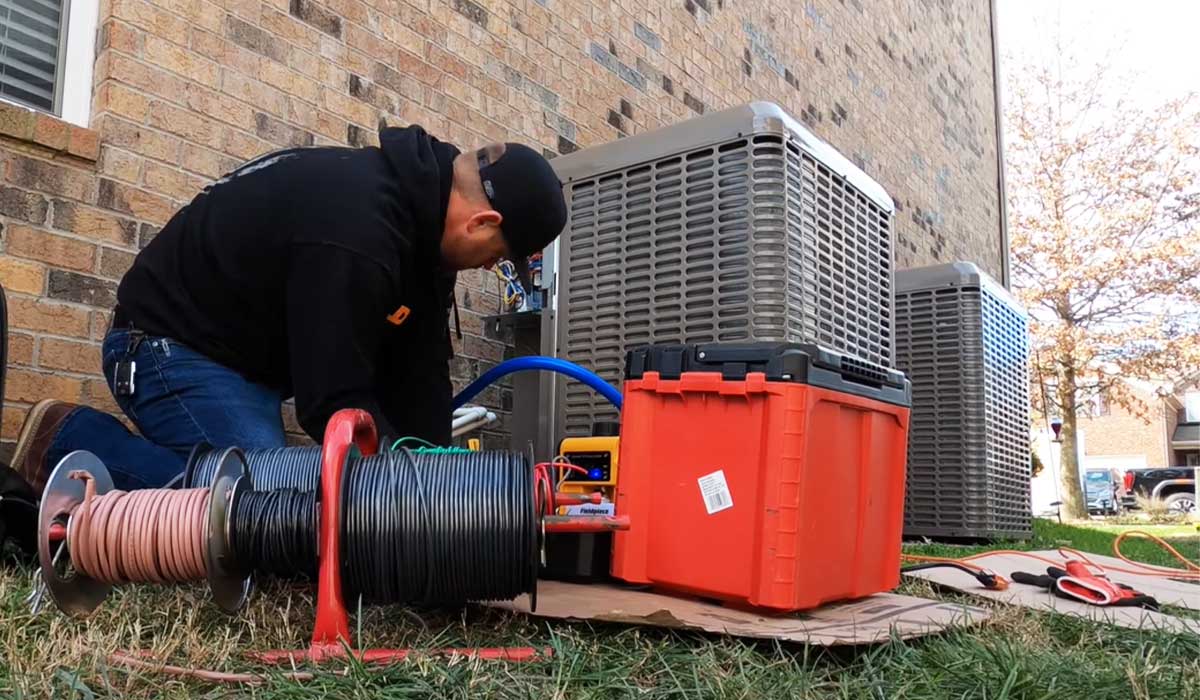
If you’re dealing with a broken heating or cooling system, you’re probably wondering: how much will HVAC repair cost me? Whether it’s your air conditioner on the fritz or your furnace making strange noises, HVAC repairs are one of those household expenses that can sneak up on you.
In this guide, you will get a detailed insight into HVAC repair costs and ways to save money on repair costs.
What Is the Average Cost of HVAC Repair in 2026?
On average, HVAC repair costs in 2026 range between $150 and $600, depending on the type of system and the nature of the problem. Minor fixes, like thermostat replacements or clogged filter cleanings, might cost as little as $75, while major repairs, such as replacing a compressor, can exceed $2,500.
However, let’s break down some of the most frequent HVAC problems homeowners face, along with the average costs.
Air Conditioner Repair Cost
Air conditioning systems may face different types of issues, from minor to major. Thus, the cost of repairs also goes up and down. As the amount is not fixed and varies based on different factors, here is an average cost range.
| Air Conditioner Repairs | Approximate Costs Range |
| Drain Line Clog Removal | $75 to $250 |
| Thermostat Replacement | $100 to $300 |
| Capacitor Replacement | $100 to $400 |
| Blower Motor Replacement or Repair | $150 to $700 |
| Fan Motor Replacement | $200 to $600 |
| Ductwork Repair | $200 to $800 |
| Refrigerant Leak Repair | $200 to $1,500 |
| Evaporator Coil Replacement | $600 to $2,000 |
| Condenser Coil Replacement | $900 to $2,800 |
| Compressor Replacement | $1,200 to $2,500 |
Heating System or Furnace Repair Cost
For the winters, an effective and functional heating system is necessary. If your furnace needs repairs, it will cost more or less similar to air conditioning systems. Minor furnace repairs cost less, whereas major repairs are expensive. Here are the average furnace repair costs:
| Heating System Repairs | Approximate Costs Range |
| Flame Sensor Cleaning or Replacement | $100 to $250 |
| Ignitor Replacement | $150 to $350 |
| Pilot Light Repair | $150 to $500 |
| Thermostat Replacement | $100 to $300 |
| Burner Cleaning and Adjustment | $100 to $300 |
| Limit Switch Replacement | $150 to $400 |
| Gas Valve Replacement | $150 to $700 |
| Blower Motor Repair or Replacement | $400 to $1,500 |
| Heat Exchanger Replacement | $1,000 to $3,500 |
Heat Pump Repair Cost
Heat pumps are good for both heating and cooling services. You may face issues with your heat pumps which will require HVAC repairs. Here are the common types of repairs heat pumps may require, including fan motor repairs with their approximate costs:
| Heat Pump Repairs | Approximate Costs Range |
| Thermostat Replacement | $100 to $300 |
| Refrigerant Recharge | $150 to $600 |
| Fan Motor Replacement | $200 to $600 |
| Defrost Control Board of the heat pump | $300 to $600 |
| Reversing Valve Replacement | $450 to $1,500 |
| Compressor Repair or Replacement | $1,200 to $2,500 |
Ductwork Repair Cost
Many homeowners specifically struggle with the ductwork. Their HVAC systems cannot provide efficient heating or cooling due to issues with ductwork. If the ducts are clogged, these need cleaning. The cost of Duct cleaning is appropriately $300 to $700.
Moreover, if there are any leaks on the ducts, the conditioned air will escape and make the performance of your system inefficient. So, you will need Duct Sealing, which costs from $250 to $1,000. However, if the ducts are fully damaged and cannot work anymore, consider replacing them. The duct replacement will cost around $1,500 to $4,000, depending on the severity of the damage.
Emergency HVAC Repair Cost
If you want immediate repair services, call any professional HVAC service provider for emergency repairs. The emergency repair costs are usually higher than regular repairs. It comes with an added service fee ranging from $150 to $500. Here is the approximate project cost breakdown:
| Emergency HVAC Repairs | Approximate Costs Range |
| Frozen Air Conditioning Unit Repair | $300 to $1,500 |
| Refrigerant Line Repair | $500 to $2,000 |
| Fixing Sudden System Failure | $200 to $1,500 |
| Furnace Overheating Repair | $300 to $1,000 |
| Heating System Repair | $500 to $2,000 |
General HVAC Repair Cost
Here are some general or minor repairs that most HVACs require frequently. These costs start from a lower range, and their difficulty level is low.
| General HVAC Repairs | Approximate Costs Range |
| Air Filter Replacement | $10 to $75 |
| Thermostat Repair | $50 to $200 |
| Fixing Electrical Wiring | $150 to $500 |
| Blower Fan Belt Replacement | $100 to $350 |
| Drain Pan Replacement | $250 to $600 |
| Sensor Replacement | $100 to $300 |
Peak Season Repair Cost
All these repair costs will increase during the peak seasons like summers and winters. You have to pay 20% to 50% more money to repair your HVAC system. As the service demand is high and there is a rush, the peak season repairs are costly.
By these approximate ranges, you can decide on the budget of your HVAC repair services. Remember, these ranges are not universal. These will vary according to the previously mentioned factors.
What Factors Affect the Cost of HVAC Repairs?
You cannot be exact about the cost to repair HVAC systems. The cost varies depending on various factors. You have to consider these factors to identify the approximate cost you may encounter. Here are the key factors affecting HVAC repair costs:
1. Type of Repair and Replacement Parts
The main factor to consider is the type of repair. All the repairs are not critical. Some are relatively easy to fix, and some are quite difficult. Sometimes, the experts need to replace some parts of your HVAC system that are completely broken. Thus, the cost of repairs varies.
Minor repairs like sorting issues with thermostats, replacing capacitors, etc., are comparatively cheap, whereas major repairs, like failing compressor, changing heat exchanger, etc are expensive. If you have to replace other parts during ac repair , that will come with added replacement costs. Here this cost can vary depending on the availability of the parts.
2. Equipment Age and Condition
Repairing cost depends on the condition and age of your HVAC and its equipment. If you have a new ac unit or system, regular HVAC maintenance will ensure it requires fewer repairs, and the equipment will be available for it. Thus, it will cost you less than older models.
If your HVAC is older than 10 years, it may have gone through frequent repairs. Also, the parts and equipment for an older unit are not easy to find. Altogether, it will be costly to repair an older unit, which is why many hvac companies recommend timely upgrades .
3. Labor Costs and HVAC Technician
Repairing cost is not only the cost of equipment needed. It comes with labor costs. You have to hire an HVAC expert to repair your system. The technician will charge you an amount to provide you with their service. However, the labor costs vary depending on the expertise of your technicians.
Though highly experienced and certified HVAC technicians charge more than average ones, you should choose the experienced ones. Choosing experienced hvac repair companies can significantly reduce your hvac repair cost and be worth spending your money on.
4. Location and Service Call Fees
Any local HVAC service provider will charge according to your specific location. Moreover, if you call the contractor on an urgent basis for emergency repairs, they will charge you more than usual. However, the service call fees and labor fees, including any service contract, vary depending on the service provider.
5. Warranty Protection
Many HVAC systems come with manufacturer warranties. If you repair your system from professional service providers, your warranty program will be valid. By keeping the warranty valid, you can easily reduce the cost of repairs. So, it is essential to check the warranty coverage and service contracts before buying an HVAC system.
6. Peak Season and Emergency Repairs
During the peak seasons like summers and winters, the HVAC system works harder to cope with the temperature. Thus, the system stresses out, and most repair issues occur in the peak seasons. As the repairing rush increases in peak seasons, the service providers charge higher than usual.
Moreover, for emergency repair services, which you can avail of 24/7, you have to pay extra. So, emergency repairs and peak season repairs are both more expensive than usual times.
These are the key factors affecting the HVAC repair costs. So, consider these factors and take measures to reduce the repair costs of your HVAC system.
How Can You Save on HVAC Repair Costs?
As the overall HVAC repair costs are high, it might seem to be a burden. So, you should follow some simple and convenient tips to save on your repair costs. These will help to minimize costs and extend the lifespan of your HVAC.
1. Preventive HVAC Maintenance and Seasonal Tune-ups
The U.S. Department of Energy emphasizes that keeping your air conditioner’s filters, coils, fins, and refrigerant lines well-maintained is key to ensuring it runs efficiently and effectively. Skipping regular maintenance not only reduces performance but can also drive up your energy bills.
So, keep in mind that maintenance activities keep your system healthy and functional. Follow regular maintenance by cleaning, lubricating, inspecting, and fixing issues. Also, hire a certified HVAC professional to conduct a detailed seasonal tune-up.
2. Address Minor Issues Early
An HVAC system shows some signs before any big issues. Sometimes, there are no visible signs of failure. However, if you inspect properly and regularly, you will notice unusual changes like noise, odors, leaks, uneven temperatures, etc. Address these issues at an initial phase and resolve them immediately to reduce the chances of big failure.
3. Avoid Overworking the System
Do not pressurize your system. Excessive workload will lead to inefficiencies and frequent repairs. So, use tricks like keeping the vents uninterrupted, using ceiling fans for energy savings , maintaining the system, etc.
4. Invest in High-Efficiency System and High-Quality Parts
Using a highly energy-efficient system will help you reduce overall costs. However, at the time of repairs or replacements, choose high-quality HVAC parts. It would be better if you choose original equipment from your HVAC manufacturer.
5. Consider Upgrading Your Old System
Old HVAC systems that have crossed 10 years of service are prone to frequent breakdowns. Moreover, these systems usually become inefficient. Finding the parts and effectively repairing those systems are very costly. So, consider upgrading your old system to a new energy-efficient one.
6. Choose Certified and Experienced Technicians
Non-professionals usually lack the proper knowledge of repairing different types of issues. This leads to the complete failure of the system. So, choose a certified, licensed, and experienced technician to repair your system effectively.
Call an HVAC technician if you notice:
- Warm air blowing from vents during cooling mode
- Unusual smells or noises coming from your system
- Poor airflow or rooms that aren’t cooling/heating evenly
- Rising energy bills with no other explanation
FAQs
Why are HVAC repairs more expensive in summer or winter?
High demand during extreme weather seasons drives up labor costs and can slow service availability.
Are HVAC repairs covered by homeowners insurance?
Not typically. Insurance may cover damage caused by a covered event (like a storm), but not regular wear and tear.
How long do HVAC repairs take?
Minor fixes can be done in under an hour, but major part replacements may take a day or more depending on part availability.
What’s included in an HVAC service call?
Most service calls (which cost around $75 to $200) include system inspection, diagnostics, and a quote for repairs.
Is it better to repair or replace a 12-year-old HVAC system?
If repair costs are more than 30% of the price of a new unit, and your system is over 10 years old, replacing it may save money long-term.
Conclusion
Effective HVAC repair can bring back the efficiency and extend the lifespan of your system. The repair cost seems high and burdensome. However, it varies depending on different factors like the type of repairs, contractor, age of the HVAC, labor cost, service fee, etc.
You can reduce the repair costs by taking some preventive measures like regular maintenance, repairing with certified professionals, addressing minor issues, upgrading to high-efficiency systems, etc. Altogether, take proper care of your system and sort out issues with HVAC professionals at an early stage. Though local labor rates are comparatively low, you must choose professional HVAC repair contractor to reduce energy bills and frequency of expensive repairs.