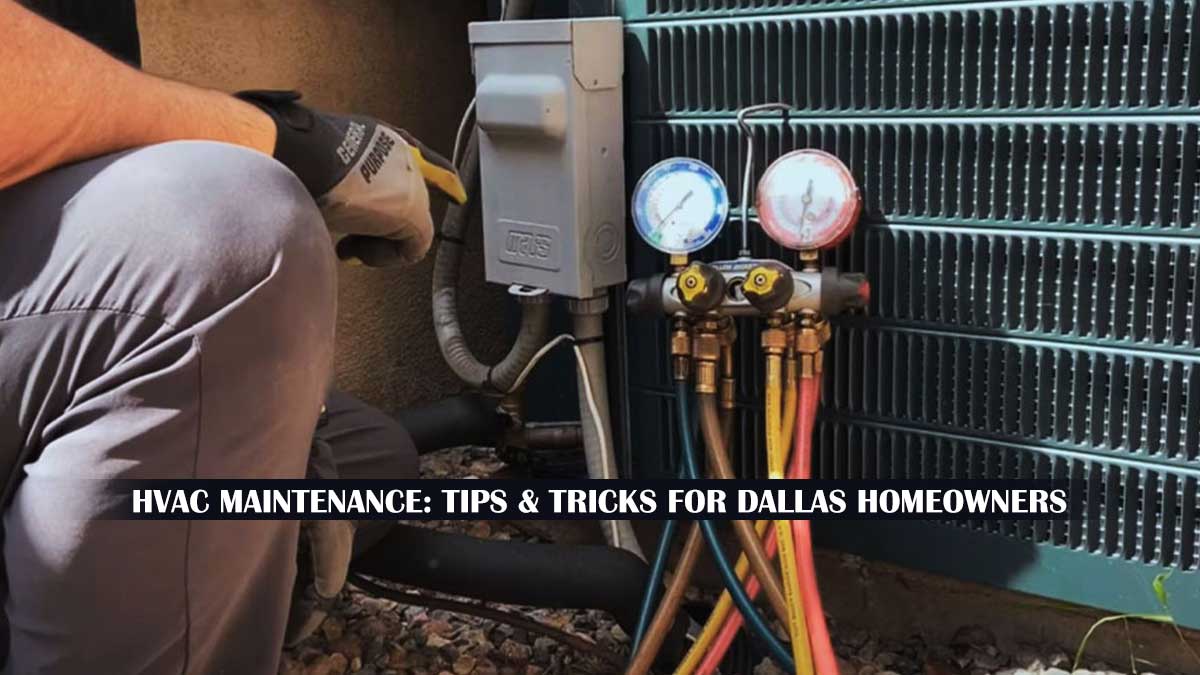
An HVAC system works to keep the home comfortable and healthy. To stay on top of its shape, the system needs regular maintenance. Many homeowners simply neglect maintenance, some are forgetful with their busy schedules. Identifying problems is a challenge, and calling for professional help concerns many financially (it doesn’t always have to).
This guide focuses on HVAC maintenance tips and tricks for optimizing HVAC performance both during the season and long-term.
Why HVAC Maintenance is Crucial
Parts of a neglected HVAC system suffer. To maintain the same output, the system has to work a lot more. With added energy bills, the issue accelerates wear on the system.
It leads to all kinds of negative consequences like costly repairs, decreased comfort, poor indoor air quality, safety hazards, reduced lifespan, etc.
On the other hand, a well-maintained system has:
- Improved efficiency
- Extended lifespan
- Higher indoor air quality
- Fewer breakdowns
- Safety assurance
- Warranty preservation
Essential HVAC Maintenance Tips for Homeowners
Regular DIY Tasks
These tasks are easy to do by yourself and don’t require specialized tools. So, they can be categorized as home HVAC system maintenance tips.
1. Change Air Filters Regularly
Air filters block the outside and harmful particles from entering the HVAC and your home. Over time, they get clogged with these particles. The clogged filters make the airflow harder.
Without proper airflow, the system can’t intake or circulate quality air.
Frequency:
You should change the air filters every 1-3 months. Pets, allergies, and dust (from outside) make the filter unusable faster.
How:
Check the frame size of your filter. Turn your system off. Swap the old filter for the new one.
2. Clean Vents and Registers
The vent is the opening that lets air flow in or out. Registers are vents with dampers in them. Since the air is flowing through them constantly, they can get clogged like air filters.
The consequence of blocked air vents and registers is also similar to a clogged air filter.
Frequency:
The dust and debris pile-up volume isn’t that much. So, you can get away with cleaning vents once a year. With dusty surroundings, consider cleaning them more often.
How:
Make sure the furniture and curtains are not blocking the airflow.
Remove the covers and vacuum the vents and registers to clean the dust and debris. A hose or brush attachment is ideal. Use microfiber cloths or sponges for wiping if you use water and soap.
3. Maintain the Outdoor Unit (Condenser)
The outdoor unit is also called the condenser unit. It releases heat in the cooling cycle. Since it is located on the outside, it is prone to dust buildup and blockages for airflow.
Frequency:
Clean the unit and surroundings two or more times annually. Cleaning it before peak heating and cooling seasons is even better.
How:
Manually remove leaves, branches, weeds, and other debris from the unit. Keep a 2 feet clearance at all sides around the unit.
Use a garden hose with a gentle spray to clean the fins. Power off before cleaning the fins.
Visually inspect for damages every time you clean this unit.
4. Check and Program Your Thermostat
The thermostat controls your HVAC system’s temperature.
The thermostat tracks the room temperature and makes changes accordingly. It can degrade over long usage or power issues. As a result, it shows wrong readings and the HVAC system makes wrong changes to the indoor environment.
Calibration helps to correct these readings so the HVAC system can turn on/off at the correct times. However, calibration only works if the reading is slightly off by a few degrees. In any case, a recalibration is always worth a try.
Frequency:
Check the calibration annually. Always recalibrate after changing batteries and after noticing inconsistencies.
How:
Turn off the HVAC system and let the room go back to normal for 15-20 minutes. After the thermometer stabilizes and shows room temperature, compare the reading with an external source (e.g. an accurate thermometer).
Make changes accordingly if the reading isn’t correct. Different thermostats have different procedures for this calibration. If confused, consult a professional.
Semi-Annual/Annual Tasks
The lesser frequency tasks usually require more expertise. They are better left to the professionals. However, homeowners can still take on some if they have the correct knowledge and skills.
5. Inspect and Clean Coils
There are two coils in the air conditioning system: evaporator and condenser coils.
The evaporator coil extracts heat from the indoor air and the condenser coil releases this heat outside. Any kind of buildup on these coils disturbs the heat transfer process. Additionally, the restricted airflow from these dirty coils can build up ice in the condenser coil and lead to system failure.
Frequency:
Clean the coils at least once a year. The ideal time is before the start of summer.
How:
Clean the coils carefully with a soft brush or coil cleaner (if needed). If the cleaner requires rinsing, use water spray bottles to gently rinse. Be wary of letting water into electrical components.
Be cautious about handling the fins. They can get damaged easily.
6. Clean the Condensate Drain Line
Moisture condensates over the evaporator coils during the cooling process. Condensation drains from the evaporator coil through the drain line. However, it gets clogged easily with dust, dirt, algae, and mold. Leaks are also common.
Frequency:
Clean the condensate drain line at least once a year. Check for blocks, leaks, or overflows more frequently.
How:
Flush the drain line with a vinegar and water solution. This will remove the algae or debris.
You can also vacuum the line to clear clogs. If your drain line is difficult to access, it’s better to contact a professional.
7. Inspect Ductwork for Leaks
Leaky ductwork is one of the primary reasons for loss of efficiency in HVAC.
Ductwork distributes the air throughout the home. If there are leaks, the conditioned air escapes. The system has to work over and over again to supply the required conditioned air.
Leaks can occur from age or physical damage. In any case, they require attention.
Frequency:
Check for leaks at least once a year. For best results, this task should be handled by professionals.
How:
Inspect visually for leaks or damage. Look for uneven temperature and dust indoors.
Small leaks may be addressed using either foil tape or mastic sealant. Get help from an HVAC technician for major leaks.
Professional Maintenance
These maintenance activities must require professional involvement.
8. Schedule Professional HVAC Tune-Ups
Within its runtime, an HVAC system runs into different issues. A thorough system check can identify these issues early on. Annual or bi-annual tune-ups also identify performance, efficiency, and safety issues.
Frequency:
At least once a year. Preferably, two times before peak heating and cooling seasons.
What it includes:
- A thorough inspection of all components
- Cleaning of coils, burners, and other parts
- Refrigerant levels and pressure checks
- Gas leaks and carbon monoxide testing
- Lubrication of moving parts
- Electrical connections check
- Thermostat calibration
9. Duct Cleaning
“Duct cleaning” involves supply and return air ducts, registers, grillers, diffusers and air handlers.
The ductwork can store dust and debris from unfiltered air that passes through it. Over longer years, they can add up to significant amounts. Besides restricting airflow, the mold grown within it can cause unpleasant odors.
Frequency:
Perform duct cleaning every 3-5 years depending on your specific concerns like mold, allergies, or recent renovations.
The EPA recommends duct cleaning for the following symptoms:
- Visible mold growth
- Vermin infestation
- Excessive debris or dust
- Recent renovations
- Occupants with allergies or respiratory issues
Check out A Complete HVAC Maintenance Checklist for an actionable checklist of all the HVAC maintenance tips
Seasonal Maintenance Tips for Heating and Cooling System
Besides the generalized tips for HVAC maintenance, you should take some precautions for specific seasons.
Spring and Summer
Spring and summer seasons heavily rely on HVAC for cooling. The air conditioner and air conditioning units provide cooling. In spring, the focus goes into the preparation for cooling and summer maintenance is to maintain the cooling efficiency. HVAC tips for summer preparation are:
1. Inspect Refrigerant Levels
Low refrigerant levels reduce the cooling capacity of the HVAC unit. The unit works extra hard to produce the same output. The overwork also damages the compressor.This is best left to professionals. They have the required tools to assess the refrigerant levels properly. However, you can look for certain signs of low refrigerant levels such as:
- Ice buildup in evaporator coil or refrigerant lines
- Weak airflow from vents
- Hissing noise from the unit
2. Check for Efficient Airflow
With proper airflow, the cool air can pass throughout the home. If the airflow gets restricted, the cool air can’t distribute. As a result, the situation leads to problems like ice buildup.
Check air filters, vents, and registers for dirt and blockage. Notice if there are any rattling or weird noises coming from the HVAC system.
3. Clean Around the Outdoor Unit
The outdoor unit gets heavily jammed very easily due to the outside environment. It makes the heat dissipation harder. This leads to reduced efficiency and overheating.
Remove leaves, branches, and weeds around the unit. Leave at least 2 feet of free space surrounding the unit. Handle the fins gently when cleaning them.
Fall and Winter
Depending on your system type, you may have a furnace or a heat pump for heating. Fall preparations focus on preparing the HVAC unit for heating. In winter, the maintenance steps make sure the heating system continues to perform.
The fall and winter HVAC tips for homeowners include:
4. Inspect and Clean the Furnace
A clean furnace performs optimally. It also minimizes the potential for safety hazards like gas leaks.
Change the air filter and clean the blower of the furnace. Make sure the pilot light and the ignition process are on point. The flame needs to be blue and steady in the igniter.
Check the burner for visual signs of damage, rust, or corrosion. For complex tasks such as heat exchanger or gas pressure, hire a professional.
5. Test for Carbon Monoxide Leaks
Since carbon monoxide is colorless and odorless, it goes unidentified without proper detecting tools.
Carbon monoxide detectors can safely identify the presence of this gas.
Incomplete combustion generates carbon monoxide in the gas furnace. You can look out for incomplete combustion signs in your furnace like:
- Yellow or flickering flames in gas furnaces
- Soot buildup around the furnace
- Strong, unusual odor
In case you suspect any carbon monoxide leak, evacuate your home first. Then it’s time to call in a professional.
Long-Term Tips for Enhancing HVAC System Performance
Most of the components of an HVAC system have a very long lifespan. While the maintenance tips and tricks are helpful for optimizing comfort, some long-term thinking can boost your system performance and significant energy savings in a broader sense.
Here are some tips on how to maintain heating and air conditioning efficiency for a long time:
- Use reminders for tasks like filter changes and seasonal checks.
- Monitor energy usage for spikes
- Seal and insulate ducts to prevent energy loss and maintain consistent temperatures, ultimately reducing energy costs
- Consider upgrading to newer models for greater energy efficiency
Conclusion
We all want our HVAC system to perform well when we need it the most. However, the preparation starts before we turn on the system. Regular care and minor maintenance costs can save you from costly repairs and downtimes. If you’re concerned about cost, you can take advantage of our flexible HVAC financing options.
Follow the tips mentioned in this article to get the most out of your system. Schedule your appointment with Lee Air Service to avoid frustration and discomfort.