 Skip to main content
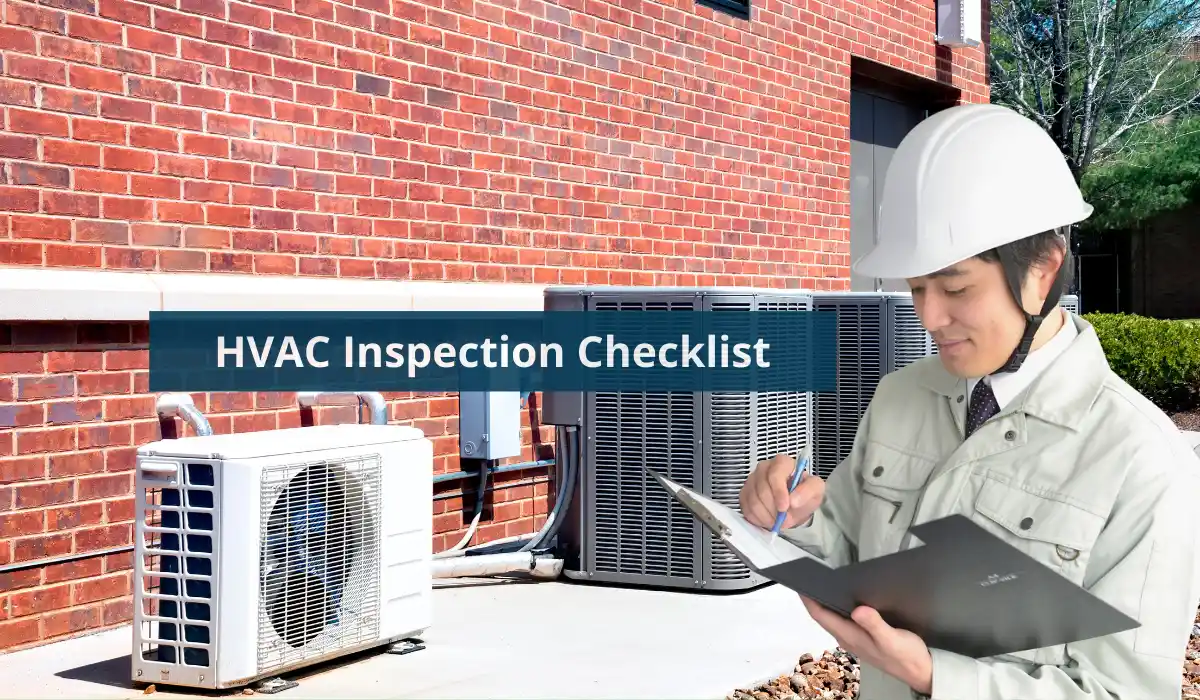
An HVAC inspection keeps your HVAC system running efficiently, saves on utility bills, and prevents unexpected breakdowns. If you own a home or business in Dallas, where extreme temperatures push both air conditioning systems and furnaces to the limit, following a detailed HVAC inspection checklist ensures comfort, safety, and energy savings.
This checklist includes evaluating air filters, blower motors, thermostat settings, condensate drains, refrigerant lines, and safety controls. In this guide, I’ll walk you through each step, explain why it matters for your property, and show what HVAC technicians focus on during inspections to keep your system reliable year-round.
| Key Takeaways
|
Benefits of Regular Inspections in Dallas
Dallas properties face extreme temperatures, high humidity, and occasional storms, which put stress on your HVAC system. Regular HVAC inspections offer practical benefits for homeowners and business owners:
1. Improved Indoor Air Quality
Well-maintained air filters and air filtration systems remove dust, allergens, and other pollutants. This means your family, employees, or customers breathe cleaner air, and your heating system and air conditioner work efficiently.
2. Lower Utility Bills
A system running efficiently consumes less energy. Keeping air conditioning systems and heat pumps in top condition reduces energy costs while keeping your property comfortable, even during Dallas’s hottest summer days.
3. Prevention of Costly Repairs
Regular inspections identify issues like refrigerant leaks, worn air filters, or faulty electrical connections before they escalate. This proactive approach reduces the likelihood of sudden HVAC repair costs and avoids downtime for businesses.
4. Extended Equipment Lifespan
Routine HVAC preventive maintenance ensures air conditioning systems, furnaces, and heat pumps perform optimally, extending the life of your new HVAC system or older units. A multi-point inspection confirms your HVAC unit is working efficiently from the blower motor to the condensate drain.
Inspecting Different Types of HVAC Systems for Your Dallas Home or Business
Understanding your HVAC system type is essential for effective inspections and proper maintenance. Different systems require attention to specific components, which helps prevent costly repairs and ensures your property stays comfortable year-round.
| System Type | Typical Use | Key Inspection Focus |
| Air Conditioning Systems | Summer cooling | Air filters, refrigerant lines, evaporator coil |
| Furnace or Air Conditioner | Winter heating | Heat exchanger, flame sensors, thermostat settings |
| Heat Pump Systems | Year-round | Air mixture, reversing valve, compressor operation |
A certified HVAC technician uses this knowledge to tailor the inspection, checking everything from electrical components to safety controls, and ensuring your new HVAC system or existing unit delivers comfort efficiently.
Pre-Inspection Checklist for Dallas Homes and Businesses
Preparation is key before any HVAC inspection. A proper pre-inspection checklist allows your HVAC technician to work efficiently and ensures no critical component is overlooked.
Air Filters
Ensure all air filters are accessible for inspection or replacement. Clean filters improve air quality, maintain proper airflow, and keep your air conditioning systems and heating system running efficiently, even during Dallas’s hot summers or chilly winters.
Electrical Components and Safety Controls
Inspect electrical connections, breakers, and safety controls. Faulty connections can lead to hazards, while properly functioning safety equipment ensures your HVAC system operates safely, protecting both home and business environments.
Licenses and Certifications
Confirm that your HVAC technician holds the necessary licenses and certifications. Certified professionals guarantee a thorough inspection, accurate evaluation of refrigerant lines, and safe handling of all HVAC equipment.
Inspection Tools and Equipment
Make sure the technician has the right tools, such as multimeters, thermometers, air quality meters, and gauges for outlet gas pressure. Proper tools ensure a complete evaluation of system performance, from blower motor function to condensate drain condition.
Exterior Inspection Checklist for Dallas Conditions
The outdoor HVAC unit faces Dallas’s extreme temperatures, humidity, and occasional storms. A detailed exterior inspection ensures your HVAC system stays reliable and energy-efficient.
Key Steps:
Outlet gas pressure and venting system: Verify proper gas connections and venting to prevent leaks, maintain system performance, and avoid unsafe conditions.
Condenser coils: Clean and inspect for dirt, debris, or corrosion. Dirty coils reduce energy efficiency and overwork air conditioning systems, raising utility bills.
Burner assembly and refrigerant lines: Check for wear or leaks to ensure your furnace or air conditioner, or heat pump, operates safely and efficiently.
Electrical connections and safety controls: Inspect wiring and safety equipment to avoid hazards and maintain a system running efficiently.
A thorough exterior inspection protects your HVAC unit from Dallas weather extremes and helps prevent costly HVAC repair later.
Interior Inspection Checklist
Inside your home or business, the interior inspection focuses on components that affect comfort, air quality, and energy efficiency.
Air filters: Replace or inspect to maintain proper airflow and enhance air quality. Dallas properties with heavy air conditioning use need frequent attention.
Thermostat settings: Ensure accurate thermostat settings to keep system performance optimal, reduce utility bills, and maintain consistent indoor comfort.
Condensate drain and drain line: Clear blockages to prevent water damage, mold, or HVAC equipment issues.
Blower motor, evaporator coil, and temperature setting: Evaluate to maintain proper airflow, efficient cooling, and accurate temperature settings for your heating system and air conditioning systems.
Following an HVAC inspection checklist, residential ensures all critical interior components are systematically reviewed, reducing the chance of overlooked problems that could lead to HVAC repair.
How To Plan Your HVAC Inspection and Costs
Scheduling an HVAC inspection isn’t just about checking your system; it’s also about planning smartly for your budget. Knowing what affects the price helps you, as a Dallas homeowner or business owner, schedule inspections at the right time and avoid costly repairs. Discover average HVAC inspection costs in Dallas and what factors influence pricing in our full guide on HVAC inspection cost.
System Components & Maintenance Tasks
Your HVAC system relies on several key components, and each requires attention during inspections. Proper care ensures your new HVAC system or existing unit delivers consistent comfort and efficiency.
- Air conditioning systems: Inspect for refrigerant leaks, clean evaporator coils, and maintain air filtration. Well-maintained systems prevent energy waste and reduce strain during Dallas’s long summers.
- Furnace or air conditioner units: Check the heat exchanger, flame sensors, and electrical hardware for safe operation and efficient heating during cold snaps.
- Heat pumps: Examine the compressor, air mixture, and outdoor unit to ensure year-round performance.
Preventive maintenance tasks, including air filter replacement, blower motor lubrication, and electrical component inspection, help your HVAC system stay reliable. Following a HVAC maintenance checklist reduces the risk of costly HVAC repair, maintains system performance, and keeps air quality high.
Safety Checks
Safety is critical for every Dallas home or business, especially during extreme weather conditions that can strain your HVAC system.
- Inspect electrical components, gas connections, and safety equipment to prevent hazards.
- Check the condensate drain pan, flame sensors, and outlet gas pressure to avoid fire hazards.
- Verify correct voltage and proper airflow throughout the HVAC unit to ensure safe operation.
Performing these safety checks during regular HVAC inspections keeps your property safe and reduces the risk of emergency service calls.
Performance Evaluation
A full performance evaluation confirms that your HVAC system delivers optimal comfort and efficiency.
- Assess system performance, energy efficiency, and indoor air quality with specialized tools.
- Detect refrigerant leaks, faulty electrical hardware, and insufficient proper airflow.
- Test thermostat settings, temperature setting, and blower assembly operation to ensure your air conditioning systems and heating system are running efficiently.
A thorough evaluation ensures your HVAC unit keeps Dallas homes and businesses comfortable, lowers utility bills, and minimizes the risk of unexpected HVAC repair.
DIY vs. Professional Inspection
Some tasks on a home inspection HVAC checklist can be handled by homeowners or business managers, but professional inspections provide a full evaluation.
DIY tasks: Replace air filters, check thermostat settings, and clear drain lines. These simple steps help maintain system performance.
Professional inspections: Certified HVAC technicians inspect electrical components, safety controls, blowers, and refrigerant lines, providing a complete inspection report.
Professionals ensure all recommendations are based on proper knowledge and industry standards, protecting your HVAC unit and improving energy efficiency.
Using a professional guarantees thorough checks and helps prevent unexpected HVAC repair costs, keeping your Dallas property safe and comfortable year-round.
Preventive Maintenance for Dallas Homes and Businesses
Preventive maintenance is essential for keeping your HVAC system in top condition, even in Dallas’s extreme weather.
- Routine tasks include air filter replacement, blower motor checks, electrical component inspection, and drain line cleaning.
- These steps reduce the likelihood of costly repairs, maintain system performance, and ensure air quality remains high.
- Regular maintenance keeps heat pumps, furnaces, and air conditioning systems ready for extreme summer heat or winter cold.
By performing preventive maintenance, your HVAC unit operates efficiently, prolongs equipment life, and provides consistent comfort for homes and businesses.
Maintenance and Repair Guidance
Regular HVAC maintenance is key to avoiding breakdowns and keeping energy costs low.
- Replace air filters, inspect electrical connections, and monitor the drain line and condensate drain pan.
- Address issues promptly with HVAC repair to prevent small problems from escalating into costly repairs.
- Following a HVAC maintenance checklist ensures HVAC technicians catch potential issues early and maintain system performance.
Consistent maintenance improves air quality, prolongs equipment life, and keeps your HVAC system ready for Dallas’s extreme temperatures.
Inspection Frequency Recommendations
The frequency of regular HVAC inspections depends on your system type and usage:
- Air conditioning systems: Recommended bi-annual inspections, especially before summer and after winter.
- Heat pumps and combined furnace or air conditioner systems: Seasonal inspections ensure optimal performance year-round.
- Following manufacturer recommendations guarantees your HVAC unit operates efficiently, reduces utility bills, and minimizes the risk of unexpected HVAC repair.
Consistent inspections maintain energy efficiency, improve indoor air quality, and protect your investment.
Conclusion
A structured HVAC inspection checklist keeps your HVAC system operating efficiently, safely, and reliably in Dallas homes and businesses. By combining professional inspections, preventive maintenance, and prompt repairs, you gain:
- Cleaner indoor air quality
- Lower utility bills
- Reduced risk of costly repairs
- Peace of mind knowing your new HVAC system or existing unit is well-maintained
Following this guide ensures your property remains comfortable and safe, no matter the Dallas weather.
FAQs
What Is Included in a Residential HVAC Inspection Checklist?
A residential HVAC inspection checklist covers air filters, blower motor, thermostat settings, condensate drain, flame sensors, electrical components, refrigerant lines, and ductwork to ensure optimal system performance.
How Often Should I Schedule Regular HVAC Inspections in Dallas?
For Dallas homes and businesses, I recommend bi-annual inspections. Heat pumps and combined furnace or air conditioner systems benefit from seasonal checks to maintain energy efficiency and prevent costly repairs.
Can I Perform My Own Home Inspection HVAC Checklist?
You can handle simple tasks like replacing air filters, checking thermostat settings, and clearing drain lines. However, professional HVAC technicians provide a full inspection report and catch hidden issues that could lead to major HVAC repair.
What Are the Safety Checks During an HVAC Inspection?
HVAC technicians verify gas connections, electrical components, safety controls, flame sensors, and condensate drain pans. These steps prevent fire hazards and ensure the HVAC system operates safely.
How Does Preventive Maintenance Help My HVAC System?
Preventive maintenance, including air filter replacement, blower assembly inspection, and electrical hardware checks, prolongs system performance, improves air quality, and reduces the risk of unexpected HVAC repair.

One Response